Aligning Payment Transactions with Live Odds Calculations in Mobile Platforms for Soccer Matches and Racing Events
Nils Lang · Aug 21, 2026
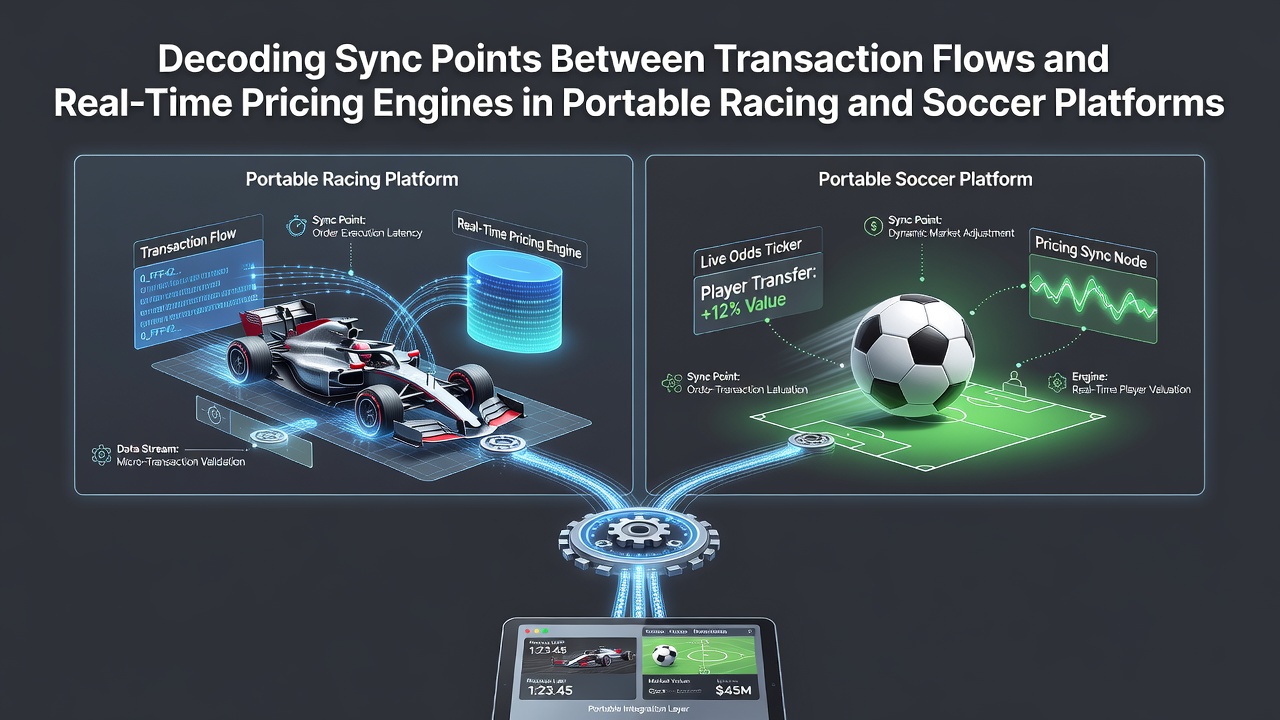
Aligning Payment Transactions with Live Odds Calculations in Mobile Platforms for Soccer Matches and Racing Events
Transaction flows in mobile betting applications handle deposits, stake placements, and payout requests through encrypted channels that connect user accounts to backend processors, while real-time pricing engines calculate and refresh odds based on incoming event data from soccer matches and racing circuits. These two systems intersect at specific sync points where a placed bet locks in the current price before any subsequent market movement alters the value, and developers design these intersections to minimize latency during peak activity periods such as live goal scoring sequences or final stretches at the track.
Core Components of Transaction Processing
Payment gateways in portable platforms verify funds availability in milliseconds before confirming a wager, and this verification step feeds directly into the pricing engine so that the accepted odds reflect the exact moment of commitment rather than a delayed snapshot. Observers note that data packets carrying bet details travel alongside market feed updates through shared middleware layers, which allows the system to reconcile the transaction amount against available liquidity pools maintained by bookmakers. Research from the Australian Gambling Research Centre shows that synchronization occurs at three primary checkpoints: initial stake validation, odds freeze upon confirmation, and settlement trigger after event resolution.
Real-Time Pricing Mechanisms in Action
Pricing engines pull variables such as player injuries, weather conditions on the pitch, or track surface changes, then apply algorithmic models to generate updated decimal or fractional odds that appear instantly on user screens. In soccer applications these updates accelerate during injury time or penalty situations, whereas racing platforms adjust prices more steadily between races yet spike when late jockey changes become known. The sync points ensure that a user attempting to place a bet sees the price that the engine has already committed to honor, preventing mismatches that could arise from network jitter or high concurrent traffic volumes.
Technical Synchronization Points
Developers establish these points through timestamped event logs that record both the transaction identifier and the precise odds value at the moment of acceptance, creating an audit trail that regulators and operators can review later. When a deposit arrives the system first confirms the updated balance, then routes the stake into the pricing queue where it waits for the next market tick before finalizing, and this sequence prevents overexposure on rapidly shifting lines in live soccer or in-play racing markets. Data packets move through message queues that prioritize low-latency paths, and buffering mechanisms hold unmatched requests until the pricing engine delivers the next valid quote.
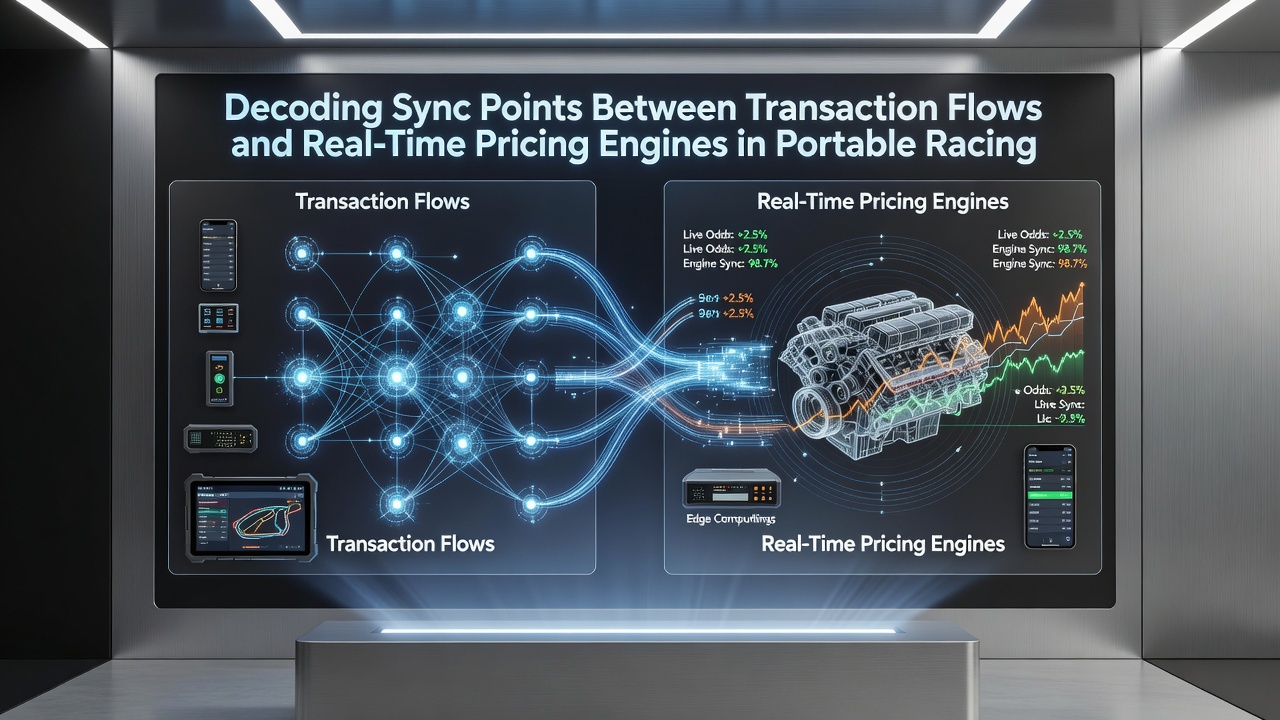
One case study from Canadian operators demonstrated that reducing the interval between transaction validation and odds lock from 800 milliseconds to under 200 milliseconds increased successful bet completion rates by measurable margins during high-volume events. The Alcohol and Gaming Commission of Ontario has published guidelines that emphasize the need for these intervals to remain consistent across different network conditions experienced by mobile users in varying geographic locations.
Platform Adaptations for Portable Devices
Mobile applications cache recent pricing snapshots locally while maintaining open sockets for push updates, allowing the device to display odds that stay aligned with the central engine even when brief connectivity drops occur. Transaction flows incorporate retry logic that rechecks the current price upon reconnection, ensuring the user either accepts the revised odds or cancels without partial execution. In racing platforms the sync points also account for photo-finish delays, holding settlement transactions until official results reach the pricing system through verified feeds.
August 2026 brings scheduled upgrades to several European data centers that host these combined transaction and pricing infrastructures, with operators testing enhanced compression algorithms designed to cut packet sizes during simultaneous soccer and racing coverage windows. Those upgrades aim to maintain sub-second response times as user volumes continue to rise across portable channels.
Conclusion
Sync points between transaction flows and real-time pricing engines form the operational backbone that enables reliable live betting experiences on mobile devices for both soccer and racing enthusiasts, and continued refinement of these intersections supports the expanding scale of portable platform activity worldwide.